
Japanese Botanical Flower Collection
We selected a set of high‑quality Japanese botanical flower illustrations ideal for Ukiyoe‑style artwork and elegant traditional Japanese design. These illustrations preserve the refined aesthetic of Edo‑period botanical art, making them ideal for modern creative projects that seek a natural and timeless Japanese touch.
All materials follow the same Terms of Use as other items on UkiyoeStock.
All Items in This Collection
Color Assets
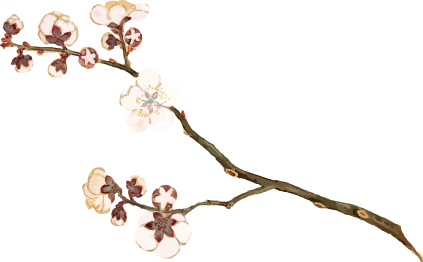
This botanical masterpiece radiates serene elegance and refined tranquility. Its delicate textures and soft color palette evoke the quiet sophistication of Edo-period nature studies, blending traditional Japanese aesthetics with a timeless, high-quality vintage feel suitable for premium branding.
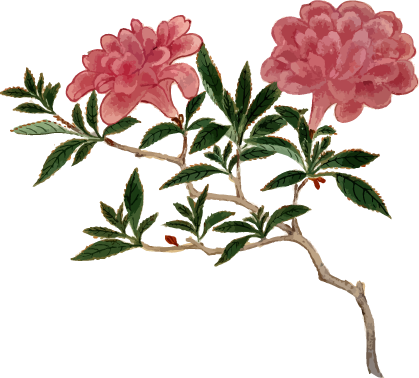
Exhibiting a lush and vibrant floral energy, this illustration captures the ornate complexity of double-layered azaleas. The artwork conveys a sense of traditional botanical precision and natural opulence, reflecting the refined decorative sensibilities of historical Japanese garden culture and masterful brushwork.
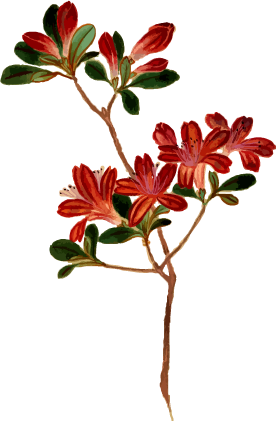
A striking visual of intense crimson beauty and vital spirit. The composition balances bold floral color with the graceful restraint of classical Japanese sketching, projecting a powerful yet sophisticated presence that embodies the seasonal vibrancy and poetic nature of traditional botanical art.
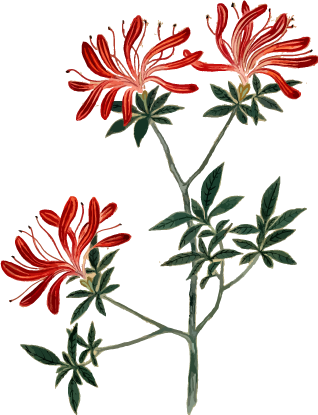
Refined and distinctive, this illustration showcases a unique floral geometry rooted in Edo-period botanical observation. The aesthetic is one of understated luxury and organic harmony, offering a sophisticated cultural nuance that blends historical authenticity with a clean, professional-grade artistic finish.
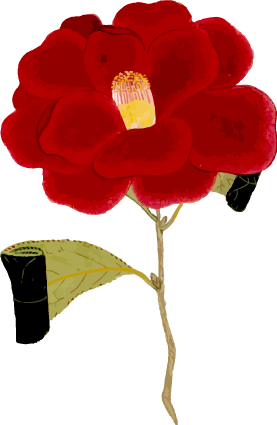
This camellia exudes a sense of noble grace and striking visual contrast. The variegated color patterns reflect the sophisticated breeding culture of the Edo era, projecting a mood of classical beauty, refined status, and the delicate balance of nature’s artistry in a traditional medium.
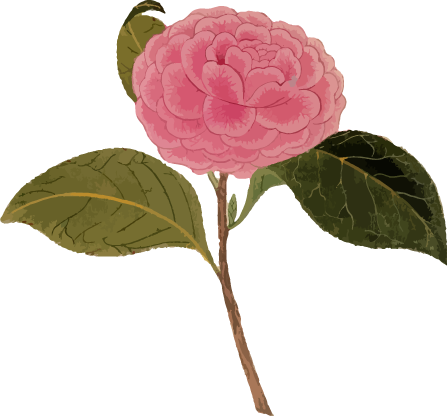
Quietly poetic and deeply spiritual, this illustration captures the humble elegance associated with the Japanese tea ceremony. The visual style is characterized by gentle restraint and minimalist beauty, evoking a peaceful, meditative atmosphere and the profound simplicity found in historical botanical sketches.
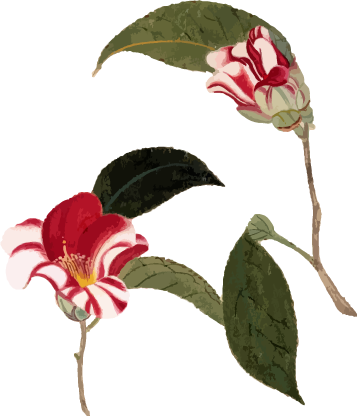
Embodying the aesthetic of “Wabi-sabi," this artwork projects an image of imperfect perfection and quiet solitude. The small, focused bloom represents a refined cultural sensitivity, offering a mood of deep tranquility, historical depth, and the subtle, unadorned beauty of traditional Japanese flora.
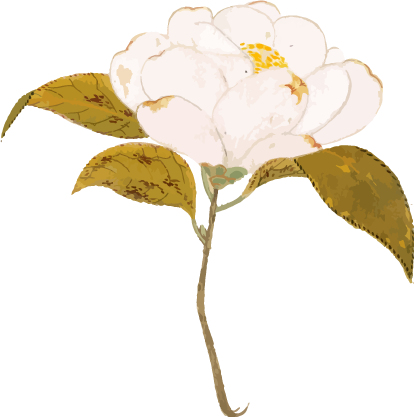
Radiating a pristine and ethereal quality, this white camellia embodies purity and celestial grace. The soft, layered pigments and precise ink outlines create a sense of luminous calm and high-status elegance, reflecting the sophisticated botanical appreciation of ancient Japanese royalty and artistic masters.
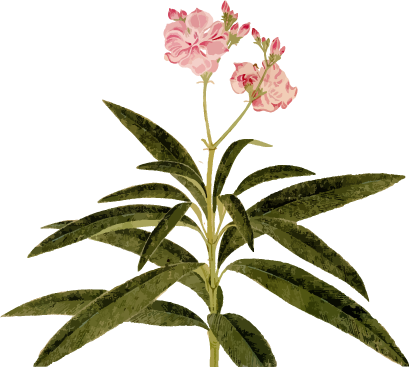
This illustration vibrates with a bold, exotic energy while maintaining classical Japanese form. The combination of vivid floral tones and disciplined brushwork creates a mood of vibrant sophistication and dramatic flair, embodying the adventurous spirit of late Edo-period botanical curiosity and artistic cross-cultural influence.
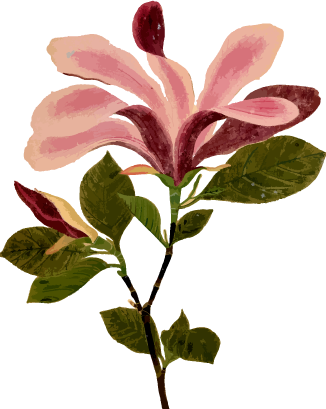
Capturing the fleeting essence of early spring, this artwork evokes a mood of renewal and fragile beauty. The clean, crisp linework and minimalist color palette reflect a high degree of artistic restraint, projecting a serene, airy, and profoundly elegant atmosphere rooted in traditional seasonal observation.
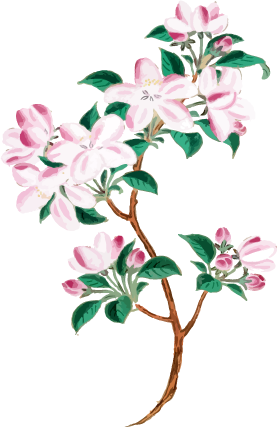
Lyrical and charming, this illustration projects a mood of gentle warmth and feminine grace. The intricate clusters of blossoms are rendered with a delicate rhythm, reflecting the poetic beauty and joyful spirit of traditional Japanese flower viewing culture and refined botanical artistry.
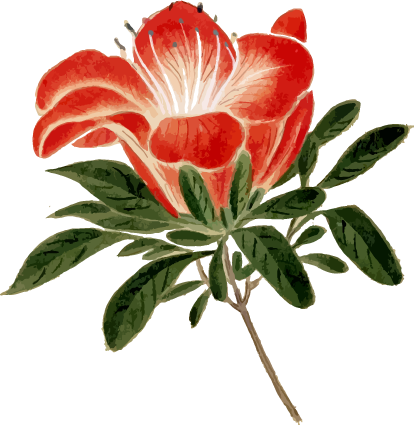
Bursting with seasonal life, this azalea illustration embodies the bright, celebratory spirit of Japanese late spring. The artwork balances dense floral clusters with graceful negative space, creating an aesthetic of natural abundance, cultural richness, and the vivid, high-definition clarity of Edo-era master sketches.
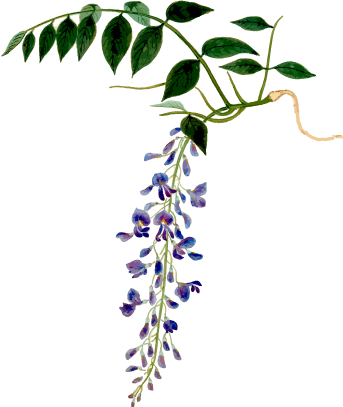
Evoking a sense of regal motion and ethereal beauty, the cascading wisteria represents nobility and poetic longevity. This illustration captures the fluid grace of the subject with rhythmic brushwork, projecting a sophisticated, dreamy atmosphere and the classical romanticism of traditional Japanese garden aesthetics.
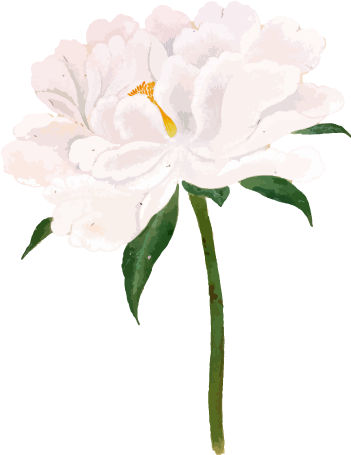
As the “King of Flowers," this white peony radiates absolute dignity, opulence, and pure luxury. The voluminous form and delicate shading evoke a sense of grand scale and refined status, reflecting the peak of Edo-period floral appreciation and the masterful execution of classical botanical art.
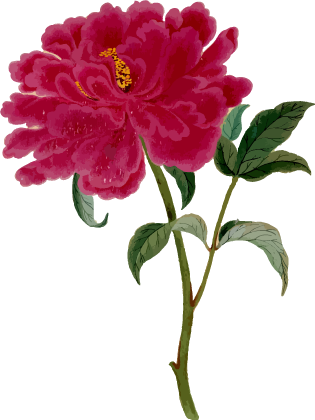
This illustration projects an image of powerful passion and aristocratic splendor. The deep, rich pigments and confident linework create a visual presence of overwhelming beauty and prosperity, embodying the vibrant energy and cultural significance of the peony in traditional Japanese high-society aesthetics.
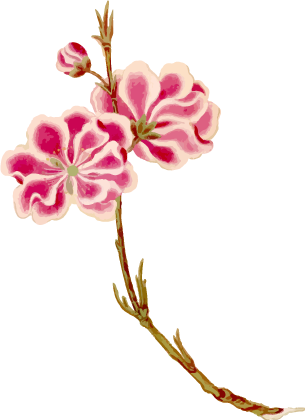
Sweet, nostalgic, and brimming with auspicious energy, this peach blossom artwork evokes the joyful arrival of spring. The gentle color transitions and rhythmic composition project a mood of warmth, celebration, and the protective, life-giving symbolism associated with peaches in historical Japanese folklore and art.
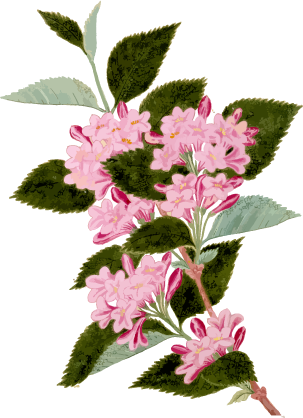
Exhibiting a quiet, unpretentious beauty, this illustration captures the refreshing spirit of early summer. The crisp white blossoms and fine ink lines create an atmosphere of purity and natural simplicity, reflecting a sophisticated appreciation for the subtle and overlooked gems of traditional Japanese botanical studies.
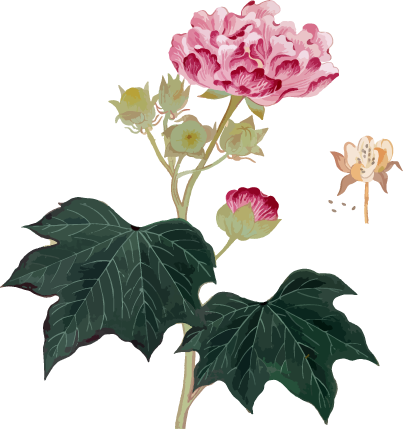
This illustration projects a bold and exotic floral presence within a classical Japanese framework. The striking contrast between the vivid petals and the disciplined brushwork creates a mood of dynamic elegance and worldly curiosity, reflecting the artistic expansion and botanical interest of the late Edo era.
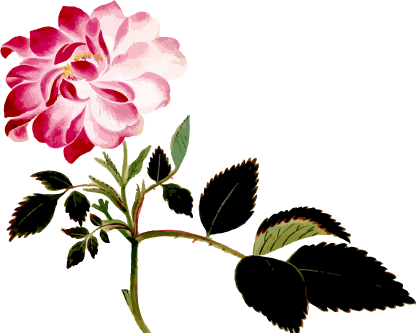
Merging the elegance of the peony with the charm of the rose, this artwork radiates a unique hybrid beauty. The sophisticated layering of colors and textures projects a mood of luxurious innovation and refined aesthetic taste, embodying the high-level botanical artistry found in historical Japanese portfolio collections.
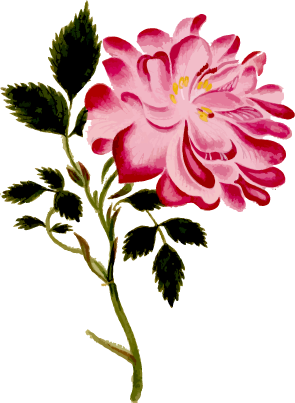
Capturing a moment of perfect floral bloom, this illustration projects an image of graceful maturity and artistic balance. The rhythmic interplay of organic forms and precise ink work evokes a sense of timeless tranquility and the sophisticated decorative spirit of traditional Japanese botanical illustration masterworks.
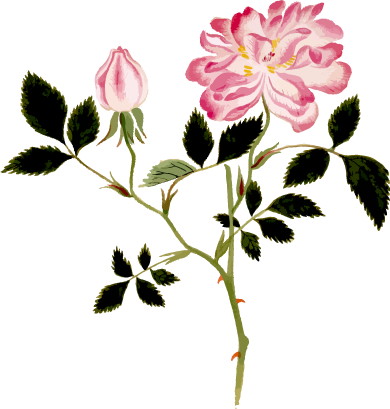
This composition vibrates with an intricate floral harmony and a sense of refined organic luxury. The delicate color balance and masterful line weight project an atmosphere of high-quality craftsmanship and historical depth, reflecting the deep-seated cultural passion for botanical beauty in Edo-period Japanese art.
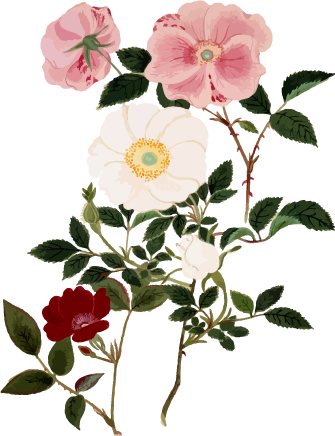
Refined, pure, and quietly commanding, this white rose illustration embodies an understated noble grace. The combination of pristine floral tones and authentic historical pigments creates a mood of serene sophistication and timeless quality, reflecting the elite botanical traditions and minimalist beauty of classical Japanese art.
Black & White Assets Assets

This monochrome masterpiece radiates a serene and scholarly elegance. The disciplined ink strokes and rhythmic composition evoke the minimalist beauty of Edo-period botanical sketching, projecting a mood of refined tranquility and historical authenticity that seamlessly integrates into sophisticated modern layouts.

Exhibiting a delicate yet powerful presence, this lily illustration captures the essence of wild botanical grace. The nuanced ink gradations and crisp outlines convey a sense of organic purity and historical depth, reflecting the masterful observation and spiritual appreciation of nature found in classical Japanese art.

Quietly sophisticated and rich in texture, this hosta sketch embodies the understated luxury of monochrome ink art. The composition projects a mood of cool, shaded tranquility and academic precision, making it an ideal motif for projects requiring a touch of heritage and timeless botanical harmony.

Capturing the fragile beauty of the wild fringed pink, this illustration exudes a sense of poetic grace and feminine elegance. The rhythmic ink lines and subtle aesthetic balance reflect the delicate sensibilities of Edo-period nature studies, projecting a nostalgic yet fresh atmosphere of classical Japanese floral art.

Vibrant with organic motion and historical character, this morning glory captures the fleeting beauty of a summer dawn. The masterful ink-wash style and elegant linework convey a mood of refreshing vitality and cultural depth, embodying the sophisticated gardening heritage of old Japan in a versatile monochrome format.

Projecting an image of absolute dignity and floral splendor, this peony embodies the “King of Flowers" in a striking monochrome palette. The voluminous textures and confident brushwork evoke a sense of high-status luxury and artistic power, reflecting the opulent decorative traditions of classical Japanese botanical art.

Characterized by its distinctive form and rich textural depth, this cockscomb illustration radiates a sense of bold curiosity and organic strength. The composition balances unusual floral geometry with classical ink-wash techniques, projecting a mood of sophisticated eccentricity and the adventurous spirit of Edo-period botanical observation.

This illustration exudes a mood of cool, mysterious elegance and intellectual depth. The sharp ink lines and subtle shading of the hooded flowers reflect a high degree of artistic restraint and botanical accuracy, embodying the enigmatic charm and quiet intensity found in historical Japanese medicinal plant studies.

Radiating a pristine and noble quality, this narcissus represents the quiet resilience of winter blooms. The minimalist ink work and clean composition evoke a sense of pure, ethereal calm and scholarly sophistication, projecting a timeless aesthetic that celebrates the subtle nuances of traditional Japanese nature appreciation.

Sweet, humble, and deeply poetic, this primrose illustration captures the gentle arrival of spring. The rhythmic ink clusters and soft textures convey a mood of nostalgic warmth and natural innocence, reflecting the delicate brushwork and intimate scale typical of Edo-period small-flower botanical studies.

Embodying the beauty of simplicity and quiet solitude, this violet sketch radiates a serene, understated elegance. The clean, expressive ink lines project a mood of humble grace and organic harmony, offering a sophisticated cultural touch that bridges the gap between historical ink art and modern minimalist design.

This thistle illustration vibrates with a raw, vital energy and textured complexity. The sharp, rhythmic ink work and dynamic composition create an image of resilient beauty and organic strength, reflecting the sophisticated observation of nature’s fiercer forms in historical Japanese botanical art.

Capturing a sense of dreamlike elegance and fragile splendor, this poppy illustration exudes a mood of graceful fragility. The masterful ink-wash gradations and fluid lines project a visual harmony and poetic depth, embodying the refined aesthetic appreciation for the fleeting nature of floral beauty in old Japan.

Exhibiting an ornate and rhythmic flow, this clematis illustration reflects the sophisticated decorative spirit of historical Japanese art. The interplay of delicate petals and winding vines creates an atmosphere of refined luxury and organic grace, projecting a timeless cultural resonance suitable for high-end creative workflows.

Quietly evocative of still waters and summer heat, this spatterdock illustration projects a mood of cool, aquatic tranquility. The precise ink outlines and subtle textures capture the unique character of the water lily, reflecting the scholarly observation and peaceful aesthetic associated with traditional Japanese pond life.

Radiating a profound sense of purity, enlightenment, and celestial calm, this lotus embodies the spiritual heart of traditional Japanese art. The clean, majestic ink work and balanced composition project a mood of ethereal grace and historical depth, reflecting the flower’s sacred status in both nature and culture.

Characterized by delicate patterns and organic rhythm, this saxifraga illustration projects a mood of humble beauty and resilient grace. The intricate ink details and subtle aesthetic harmony reflect the keen observation and refined decorative sensibilities of Edo-period botanical sketches, offering a sophisticated historical touch for modern layouts.

Exuding a mood of refined status and scholarly elegance, this orchid embodies the “Four Gentlemen" tradition in Japanese art. The flowing, rhythmic ink lines and minimalist composition convey a sense of noble restraint and timeless beauty, reflecting the high cultural value placed on understated luxury and intellectual grace.

Capturing the quiet melancholy and seasonal beauty of autumn, this bellflower illustration projects a mood of serene elegance and lyrical grace. The delicate ink-wash techniques and refined linework reflect the profound aesthetic of “Mono no aware," celebrating the transient yet enduring charm of classical Japanese flora.

Exhibiting a rich textural contrast and organic vitality, this begonia illustration radiates a mood of refined warmth and artistic precision. The balanced composition and intricate ink work capture the plant’s unique character, reflecting the scholarly curiosity and decorative harmony central to historical Japanese botanical observation.

Radiating an atmosphere of absolute noble grace and spiritual longevity, this chrysanthemum embodies the pinnacle of Japanese floral symbolism. The complex, rhythmic ink work and majestic composition evoke a sense of high-status luxury and historical authority, reflecting the deep cultural reverence for this auspicious seasonal bloom.

Symbolizing wealth and the arrival of early spring, this adonis flower exudes a mood of celebratory hope and refined optimism. The precise ink linework and historical textures capture its humble yet significant presence, reflecting the deep-seated cultural traditions and seasonal joy woven into classical Japanese botanical art.

This peony variant projects an image of refined opulence and timeless aesthetic harmony. The masterful interplay of light and shadow through ink-wash techniques creates a sense of grand scale and cultural prestige, embodying the sophisticated decorative spirit and botanical passion of historical Japanese elite society.

Vibrant with organic grace and nostalgic poetic resonance, this kerria illustration captures the essence of classic Japanese riverside beauty. The flowing ink lines and delicate textures convey a mood of refreshing vitality and historical depth, reflecting the refined seasonal observation typical of Edo-period botanical portfolios.

Projecting a mood of vertical strength and noble presence, this hollyhock illustration embodies the dignified beauty of early summer. The structured composition and crisp ink details reflect a high degree of artistic precision and historical authority, offering a sophisticated cultural motif rooted in traditional Japanese architectural and garden design.

Evoking the atmosphere of the rainy season and quiet, misty gardens, this hydrangea illustration radiates a mood of cool serenity and textural richness. The intricate ink petals and balanced form reflect the keen observation and refined decorative sensibilities typical of classical Japanese botanical art, projecting a timeless historical beauty.
Cultural, Artistic, and Design Insights
About This Collection
This collection features botanical-style flower illustrations carefully selected from authentic ukiyo-e and botanical artworks created during the Edo period. UkiyoeStock does not create new drawings; instead, we professionally crop and edit the floral elements from historical artworks to make them easy to use as design assets. This collection allows you to incorporate the elegance of Japanese flower culture and traditional botanical art into modern creative projects.
Art Style & Technique
The flowers in this collection retain the refined qualities of traditional Japanese botanical illustration. Each piece reflects the observational precision found in Edo-period sketching practices, with delicate linework, subtle colors, and compositions that make use of generous negative space. The aesthetic follows the lineage of classical botanical studies and ukiyo-e sensibilities, while being edited for practical use in contemporary design.
Included Assets
All materials are provided as high-resolution PNG files with transparent backgrounds. The color tone and visual style are unified across the collection, featuring iconic Japanese flowers such as peonies, camellias, cherry blossoms, and chrysanthemums. Each asset preserves the quiet elegance of botanical illustration while remaining easy to integrate into a wide range of design workflows.
Design Use Cases
These botanical flower assets are ideal for projects that aim to convey a natural, refined, and timeless aesthetic. They work especially well in branding and visual design where subtle elegance is essential.
- Packaging design (cosmetics, tea, food products)
- Wedding stationery (invitations, place cards, menus)
- Logos and brand identity
- Posters, advertisements, and printed materials
- Textile and pattern design
- Web design and social media graphics
- Product design (stationery, labels, lifestyle goods)
Across all applications, the precision and quiet beauty of botanical illustration naturally elevate the overall visual quality.
Why Botanical Flowers Work So Well
Botanical-style flower illustrations possess a timeless appeal that transcends trends. Their natural elegance makes them ideal for long-lasting brand visuals and premium product design. The precision of botanical artwork conveys quality and sophistication, while its gentle aesthetic blends seamlessly with both Japanese and Western design styles. This genre is also highly valued among designers worldwide.
Cultural Notes
In Japan, flowers carry deep symbolic meaning and appear frequently in everyday expressions. Understanding these cultural nuances adds depth to the appreciation of floral artwork.
- Hana yori dango (花より団子) – Preferring substance over appearance
- Hana wa sakuragi, hito wa bushi (花は桜木、人は武士) – Praising a noble and dignified way of life
- Tateba shakuyaku, suwareba botan, aruku sugata wa yuri no hana (立てば芍薬、座れば牡丹、歩く姿は百合の花) – Comparing a woman’s grace to beautiful flowers
Beyond these expressions, flowers have long been intertwined with Japanese aesthetics, seasonal awareness, and artistic traditions. From poetry and tea culture to everyday customs, floral motifs have played a central role in shaping Japan’s sense of beauty.
Commercial Use & Licensing
All materials in this collection follow the same Terms of Use as other items on UkiyoeStock. They are available for commercial use with no credit required, making them suitable for a wide range of professional projects. Please review the details here: Terms of Use